
Info
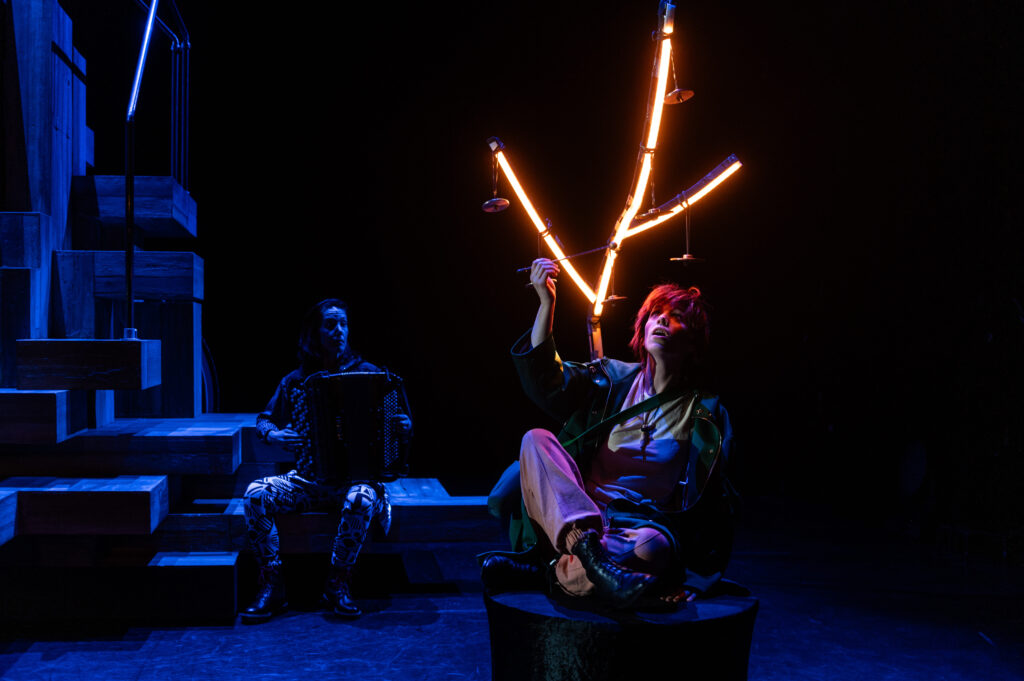
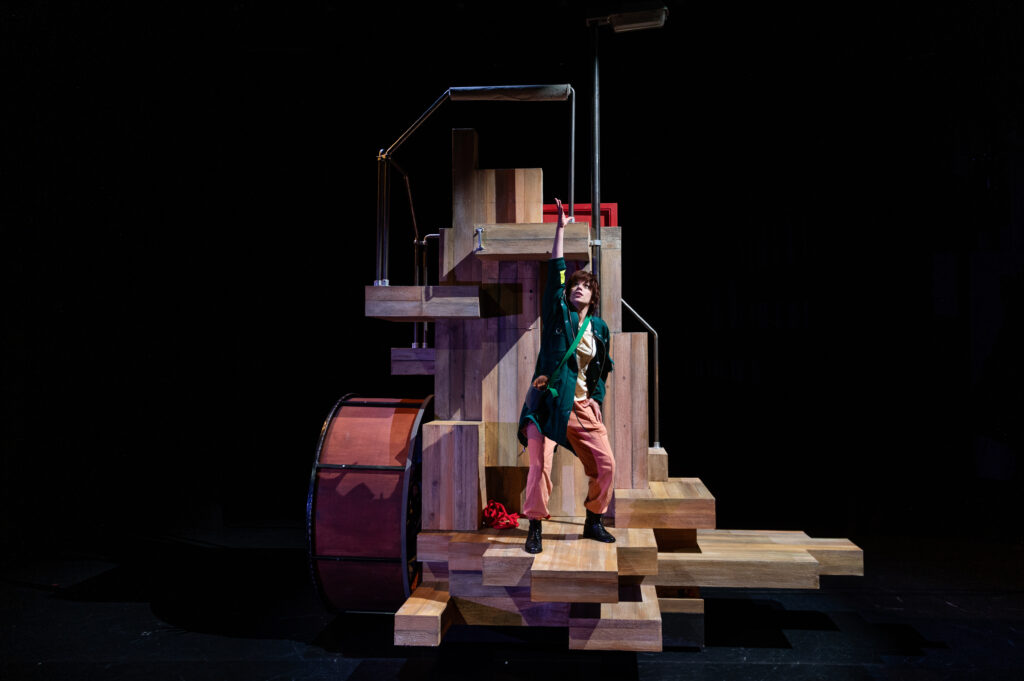
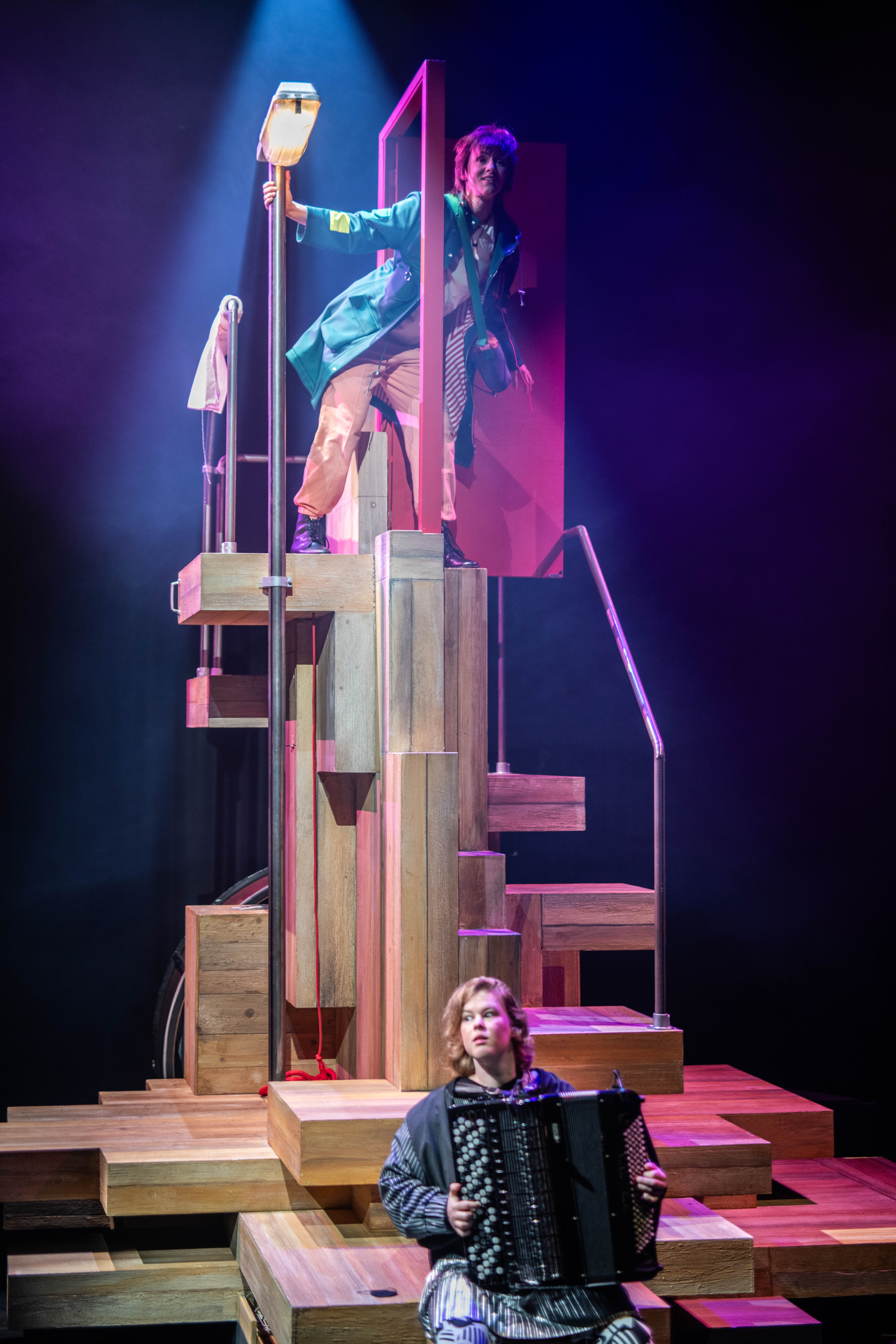
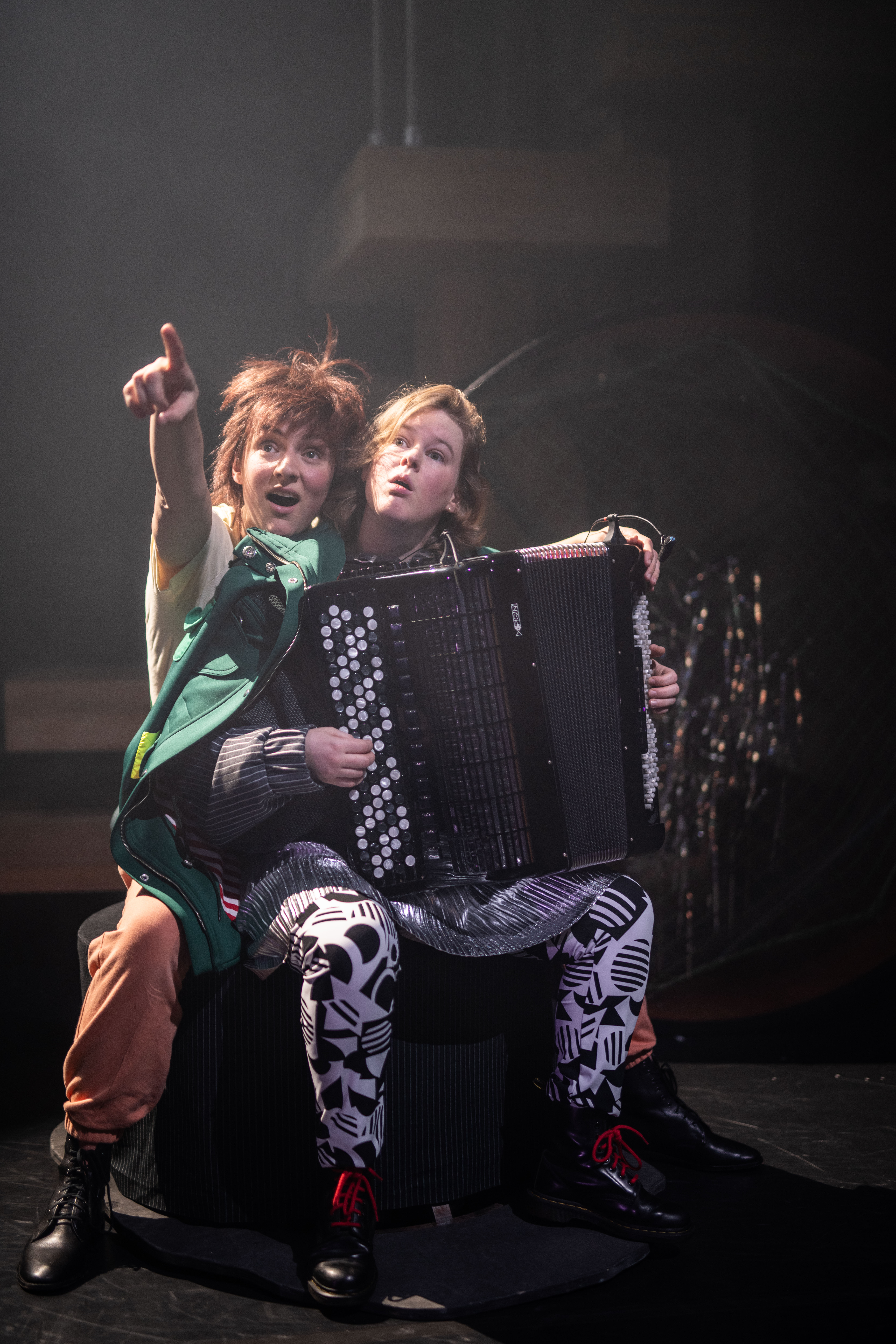
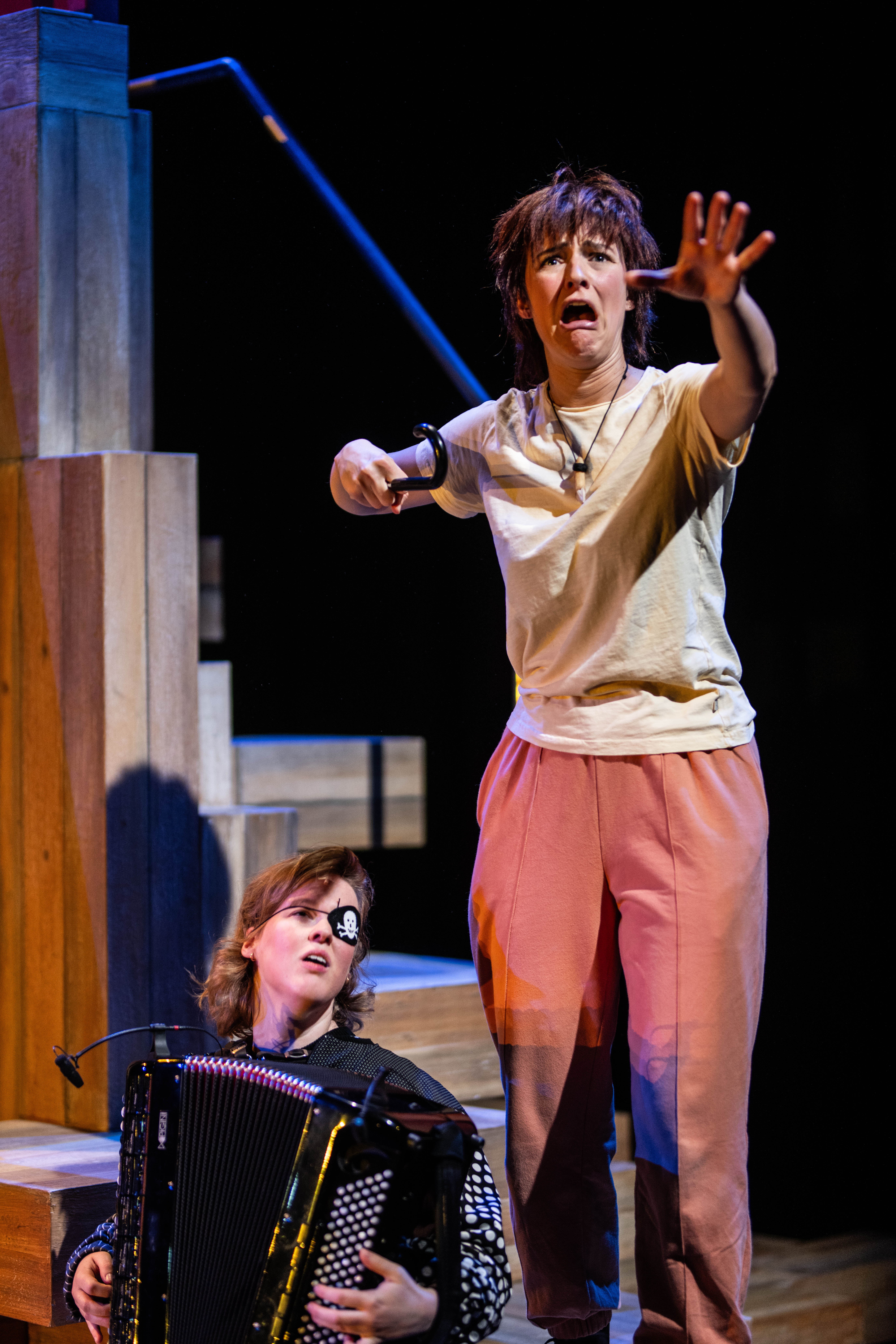
Opera Zuid, De Nationale Opera and the Nederlandse Reisopera present Atman!, a musical tale that borders on the unbelievable.
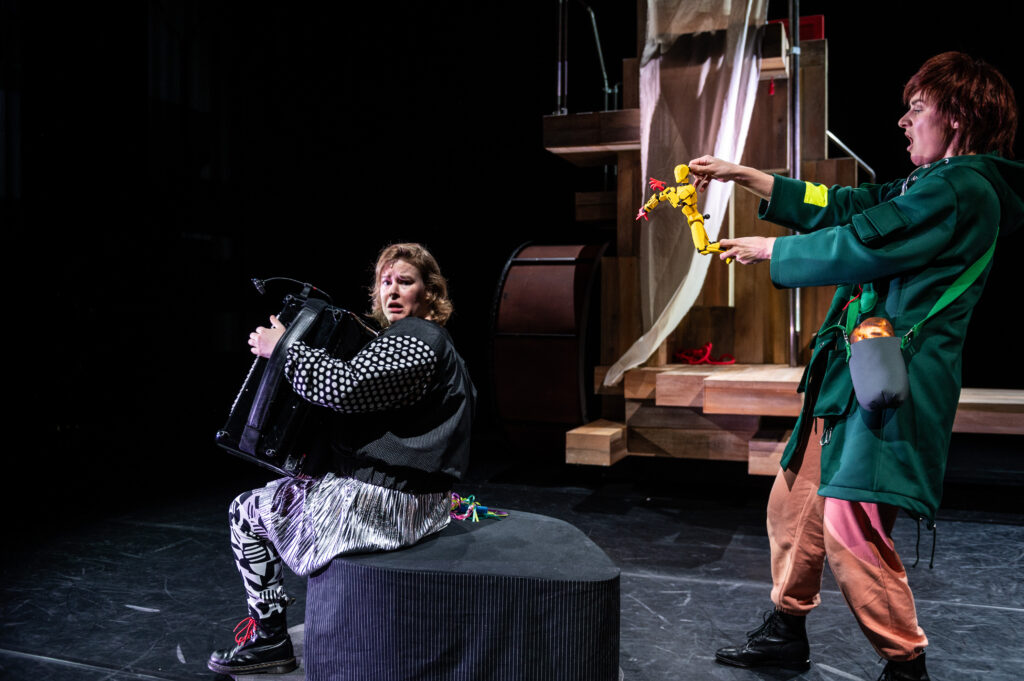
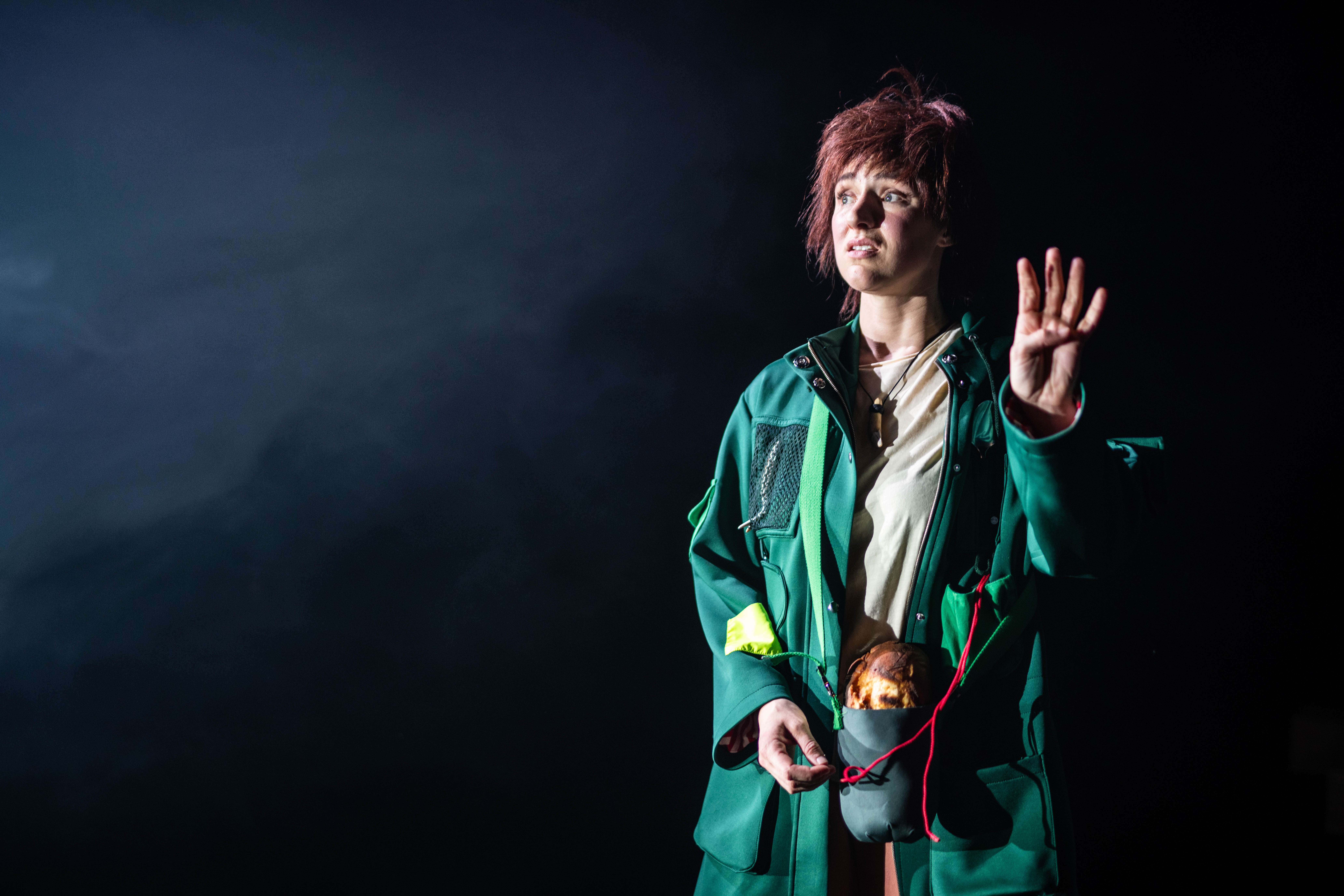
Nine-year-old Atman gets lost in his own city. He has the key to his home in his pocket, but can no longer remember where he lives. He asks for directions on the street. A man has no time (‘Ask me again tomorrow’). A woman takes him with her (‘Boys like you make good sailors’). But Atman wants to go home, not cross the ocean. What begins as a simple request (‘Do you know which way I need to go?’) becomes a journey full of detours and obstacles that sometimes seem insurmountable to a nine-year-old boy – or rather: are insurmountable. Composer Leonard Evers and writer Bart Moeyaert give shape to this journey through music and language.
One-man orchestra
Leonard Evers previously wrote the children’s opera Goud! for Opera Zuid and De Nationale Opera. It has been performed throughout Europe since 2012. His other operas include Odyssee and Kriebel (2+). In Atman!, Evers makes full use of the accordion’s potential: the ultimate one-man orchestra and wandering instrument.
For this production, he is collaborating with the acclaimed writer Bart Moeyaert, known for novels such as Broere and Een ander leven. His literary work has received international acclaim, and he has won, among other awards, the Flemish Culture Prize, the Woutertje Pieterse Prize and the prestigious Astrid Lindgren Memorial Award, the highest honour in children’s literature. The libretto of Atman! was also published in book form and won the Woutertje Pieterse Prize for Children’s Literature in 2026.
Moeyaert on Atman!: ‘I felt the freedom to put music down on paper. Music in the sense of text that is rhythmically musical, that rhymes or doesn’t, that is atonal – at least in my view.’ For Evers, music is the gateway to a boundless world, where he encounters styles, characters and sometimes himself. With just one accordionist and one singer, he manages to bring this adventurous story to life. It is in this purity that the power of Atman! lies. ‘I hope that the audience will recognise something – a feeling – as if a light were coming on somewhere. That is the challenge for me as a composer: to ensure that everything that is said and felt on stage is also felt by the audience.’
Atman! is directed by Annemiek van Elst, who works with various national and international opera houses. In 2022, Van Elst created and directed the staged Liederabend Eternal Road at Opera Zuid, which explores the life of composer Kurt Weill.
Atman! is a co-production with Dutch National Opera and Nederlandse Reisopera.
Atman! lasts about an hour and is sung and spoken in Dutch.
A CONVERSATION WITH COMPOSER LEONARD EVERS AND LIBRETTIST BART MOEYAERT
When writer Bart Moeyaert and composer Leonard Evers write, the work becomes part of their lives. For a moment, nothing else exists. Atman!, a (youth) opera in which a boy loses his home, is the latest project they are working on together. ‘If the children in the audience feel that they want to be part of the world that is taking place on stage, we have done well.’
Atman! is a brand new opera. What is the story about?
Leonard: ‘Atman! is about being lost, about searching for a home.’
Bart: ‘What is home? A house with a t in front of it? The place where you were born, where you live, where you have breakfast? Or is it a feeling inside? Can you be at home somewhere where you don’t live, for example by thinking about your mother or the cat dozing on the windowsill?’
Leonard: ‘Bart gives it a very poetic, fairytale-like interpretation.’
And how will that sound?
Leonard: ‘For me, music has always been the gateway to a very adventurous and limitless world. I see composing as a quest, in which I am open to many influences. The result is a report of an incredible experience in which I encounter all kinds of styles. I hope that the people in the audience will recognize something in my music, as if a light goes on somewhere. I try to achieve that by investigating how the character feels. How does an incredible craving for fries sound to me, for example? From there I start sketching and then I stay as close as possible to the rhythm of the language.’
Do you want to convey a message to the audience?
Bart: ‘I would like it if our audience thinks about: what is my home? That people reflect on what they experienced in the theatre afterwards.’
Leonard: ‘The great thing about theatre is that as a spectator you end up in a world that you don’t know yet. But, in which – if all goes well – you do recognise things or feel something that you sometimes feel in real life. Theatre enables you to experience and feel things that you might not normally dare to do or hide away.’
Bart: ‘In the theatre you agree: we are now going to believe what is happening and we are not going to explain it. Maybe tomorrow or in a week you will realise: oh, this was it, that is what it meant. I think that is fantastic about theatre.’
Leonard: ‘Music helps you not to want to explain everything right away, but to first experience what is happening. That is the challenge for me as a composer, to ensure that everything that is said and felt on stage is also felt by the audience.’
Is it different to make an opera for children?
Bart: ‘I don’t write differently because it’s for children. I write with a voice. I hear the voice of a boy who is about eight years old. He’s going to tell the story. Sometimes there’s a four-syllable word in it. Oops! [laughing] But because of the other words around it, you can understand that word. This opera is for everyone!’
Leonard: ‘I agree with that. But, for children, I compose even more sharply. Integrity in the music is even more important. I really have to be completely myself with children, otherwise they won’t fall for it. Of course, that has to be the case for adults too, but they don’t walk away during a performance to do something more interesting. A younger audience does!’
Bart: ‘That reminds me of a performance of Die Zauberflöte that I saw in Frankfurt. A quarter of the audience were children, and it was the children who stripped the adults of their veneer. They stood on their chairs, pulled at their parents’ sleeves: look over there, listen! That solid atmosphere of ‘opera is serious’ was completely destroyed. That’s what I want.’
Leonard: ‘During a performance of my show Kriebel, which I created together with Oorkaan, there was a little girl who walked onto the stage to dance with the dancer. Her mother immediately took her away. I thought that was such a shame! That’s exactly what you want, that your audience feels so attracted to that world that they think: I want to be in that, that’s where I belong.’
Bart: ‘My text says something like: come closer, come to me.’
So there will soon be 1 accordionist, 1 singer and no less than 100 children on stage who want to get involved?
Leonard: ‘Yes, you must have that feeling! If I am not so involved in what is happening on stage, then something is wrong.’
Bart: ‘Or I am so overwhelmed that I just let it in – with my mouth open. And then I will do something with it later. That is also nice.’